EN | ES

Managing multiple storage units across a building or portfolio

Building committees and co-investment groups face a specific challenge: storage units are scattered across underground levels, owned or rented by different people, and rarely managed as a collective resource. We offer a coordinated approach to address this at scale.

When storage becomes a building-wide issue

In buildings with many units, disorganised storage areas create practical problems beyond the individual owner. Corridors become blocked, fire safety access can be compromised, and the overall state of the underground levels reflects on the building as a whole. Committees are often aware of the problem but uncertain about how to address it.

Building committee coordination

We work directly with the building committee (comité de administración) to plan and schedule a storage organisation programme across multiple units. This can be rolled out gradually — one section or floor at a time — to minimise disruption to residents.

Co-investment group management

For groups that own multiple apartments — and therefore multiple storage units — in the same building or across different buildings, we provide a coordinated service with a unified inventory format. Every unit in the portfolio gets the same systematic treatment.

Flexible scheduling

We understand that coordinating access to underground storage areas requires working around building schedules, resident availability and administration protocols. We plan around these constraints rather than asking you to work around ours.

Shared inventory format

When multiple units are serviced, all inventories follow a consistent format. This makes it straightforward for a committee or group to maintain an overview of what is stored across all units — useful for building records and property management.

Storage areas as a shared building concern

The underground levels of a residential building are shared infrastructure. When individual storage units overflow into corridors, when access routes become blocked, or when the general condition of the area deteriorates, it affects everyone in the building — not just the owners of those specific units.

A building committee that takes a proactive approach to storage organisation demonstrates good governance and can contribute to the overall condition and perceived value of the building. It is also a practical way to address issues before they become complaints or safety concerns.

We approach committee engagements with an understanding of the administrative and interpersonal dynamics involved. Coordinating with multiple residents requires clear communication, consistent documentation and a process that respects everyone's time and ownership.
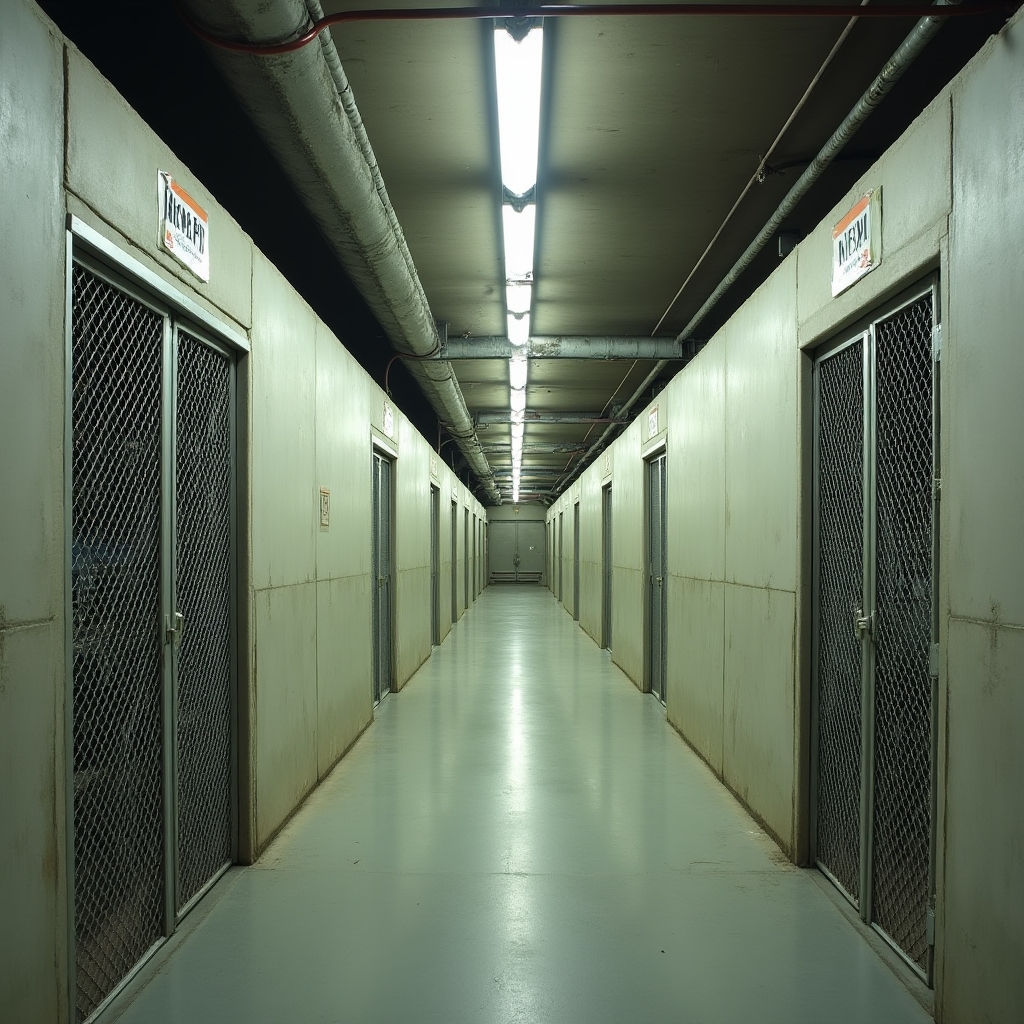
Underground storage corridor in a Santiago residential apartment building

building storage areas

How a committee engagement typically works

01

Initial meeting

We meet with the committee or group representative to understand the building, the number of units involved and the specific goals of the programme.

02

Assessment visit

We visit the underground storage areas to assess the current state, note any access or safety considerations, and plan the most efficient service sequence.

03

Resident coordination

The committee communicates the programme to residents. We provide a clear description of the process so residents know what to expect and what their involvement will be.

04

Programme delivery

We work through the units systematically, delivering each inventory as we go. The committee receives a consolidated overview when all units are complete.

Organising storage across your building or portfolio?

Get in touch to discuss your situation. We can outline an approach that fits your building's specific context and timeline.